
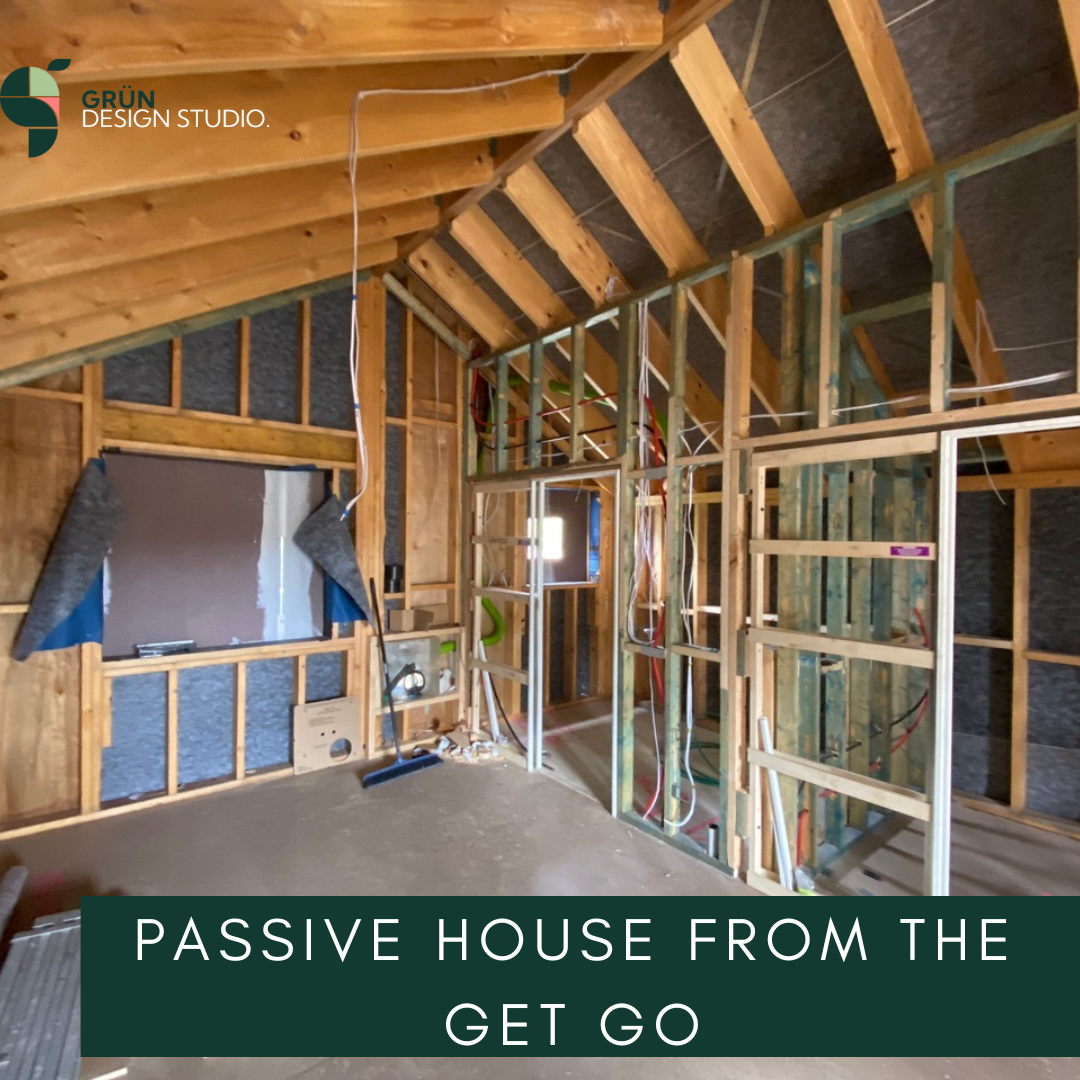
Bringing contractor advice into the process early, possibly through involving a builder from the start, can be particularly beneficial. This proactive approach is crucial in maintaining control over construction feasibility and costs, especially when dealing with Passivhaus-specific supply chains and subcontractors. Key steps to take include:
— Involving a specialist Passivhaus consultant, structural engineer, and building surveyor from the outset.
— Appointing team members with proven Passivhaus experience, such as the architect/designer, Passivhaus specialist, building services engineer (if required), structural engineer, and quantity surveyor (if necessary).
— Including the builder during the Concept Design phase, providing a clear brief for assessing buildability and procurement options. Ideally, select a builder with a history of delivering Passivhaus-standard buildings.
Thankfully, the pool of certified passive house designers and tradespeople has grown, marking a notable increase in this valuable skill set. However, completing a course and passing an exam doesn’t necessarily guarantee proficiency in detailing or constructing a passive house.
For those embarking on a passive house project, I strongly recommend having at least one key player on the team with a solid track record of delivering successful passive house projects. Whether it’s the builder, designer, or architect, prior experience is invaluable. If none of the key team members have previous passive house experience, I highly recommend enlisting an experienced passive house consultant. Such a consultant can provide not only the required calculations but also invaluable advice on construction details, processes, and sequencing.
Reflecting on our 2019 hempcrete passive house project, despite the teams previous experience, we encountered unique challenges and decided to engage the expertise of Detail Green, an experienced passive house consultant. They became a key part of our team, contributing significantly to various design workshops to help ensure the project’s success.
The good news is that the passive house market has evolved considerably in recent years, with the introduction of new products and innovations. The industry is becoming more attuned to passive house principles, and more professionals are joining the movement.
Resolve Passive House Principles Early
Before committing to the planning stage, it is essential to develop a viable Passivhaus solution early on, addressing key challenges to ensure a smoother process. These challenges may include massing arrangements, construction details, glazing ratios, and wall constructions.
Important actions to take include:
— Modelling the house in the Passivhaus Planning Package (PHPP) early in the design process to optimise the design.
— Identifying opportunities to simplify the design for elegant Passivhaus solutions during the concept design phase.
— Resolving building form rationalisation, window-to-wall ratio, construction methodology, and key construction detailing, all supported by PHPP modelling.
— Developing a detailed and robust cost model, incorporating as much elemental costing as possible.
Unfortunately, a common mistake I’ve observed is when some offices or designers claiming passive house expertise begin the design process as they would for any standard project. Often, a designer without specific passive house experience will start the design, then pass it on to a passive house specialist to ‘correct’ later.
I firmly believe this approach is flawed. Passive house and high-performance considerations should be central to the design from the very start, informing all decisions. The passive house planning package should be deeply integrated into the design process to optimise every aspect.
Even if you’re aiming for a passive house, passive solar design remains essential. Ensuring your living spaces receive sunlight during winter is key to warming your home, while also keeping the harsh summer sun out. The use of eaves or external shading can make a significant difference to your home’s performance. Achieving a passive house is still possible with less-than-ideal orientation, but it will require more insulation and higher-performance glazing. Poor passive solar design or limited solar access may also reduce the allowable size of glazed areas compared to a home that embraces passive solar principles. Particularly when working within budget constraints, it’s crucial that your design team has a firm grasp of both passive solar design and passive house principles.
Ready to Start Your Passive House Journey?
Building a passive house is an investment in your future comfort and sustainability. By starting early and involving the right experts, you can ensure your project runs smoothly and meets the high standards required for Passivhaus certification. If you’re ready to take the next step, reach out to our team of experienced professionals today and let’s make your passive house dream a reality.